
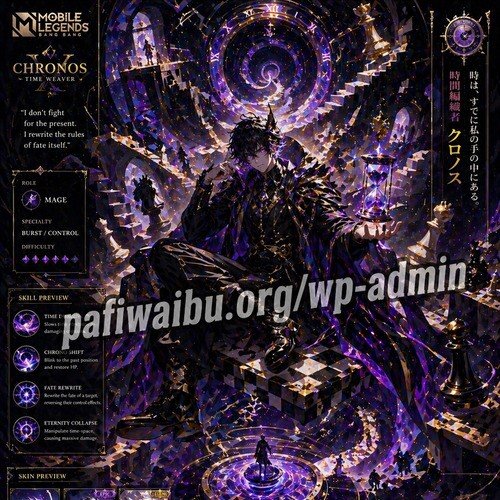
pafiwaibu.org – Mobile Legends: Bang Bang is a game where every match develops through a combination of individual mechanics, team coordination, resource management, and strategic decisions. Although the basic objective is to destroy the opposing team’s base, reaching that objective requires players to understand what should happen during every stage of the match. A player needs to know how to control a lane, collect resources efficiently, recognize dangerous situations, support teammates, and identify the right moment to attack or retreat. The battlefield is constantly changing, so simply memorizing a fixed strategy is not enough. An approach that works during one match may become ineffective in another because enemy heroes, team compositions, item choices, and player behavior are always different. This is why learning how to play Mobile Legends should involve understanding the principles behind each action instead of only copying what other players do. New players can begin by mastering basic movement, skill usage, farming, and positioning, while more experienced players can improve by studying rotations, timing, wave management, and objective control. Mechanical ability certainly matters, but strong gameplay also depends on knowing when not to use an ability or when not to take a fight. A player who understands the bigger picture can often contribute to victory without constantly being the center of attention. Every role has a purpose, and every part of the map can become important depending on the situation. By learning how the early game creates the foundation for the mid game and how the mid game influences the late game, players can develop a much clearer understanding of what they should be doing during a match. Good gameplay is therefore not just about moving quickly or attacking accurately. It is about making useful decisions repeatedly while adapting to what happens around you.
Building a Strong Foundation in the Early Game
The opening minutes of a Mobile Legends match are extremely important because they establish the initial resource balance between both teams. During this stage, players should concentrate on gaining experience, collecting gold, protecting their lane, and avoiding unnecessary deaths. The temptation to chase an enemy can be strong, particularly when an opponent has low health, but chasing too far can expose a player to a counterattack or an unexpected rotation. A disciplined approach begins with understanding the strengths and weaknesses of the selected hero. Some heroes are powerful from the beginning and can pressure their opponents aggressively, while others need time to acquire equipment or levels before becoming dangerous. Players should therefore avoid assuming that every hero should use the same early-game approach. Farming safely can sometimes be more valuable than forcing a confrontation. Minion waves should also be treated as an important source of resources rather than background elements. Missing too many minions can create a gold and experience disadvantage that becomes more noticeable later. Players should position themselves so they can collect resources without unnecessarily exposing themselves to enemy attacks. At the same time, they need to pay attention to the minimap because an enemy missing from another lane can suddenly appear and change the situation. Communication with teammates can help, but even without constant communication, players can develop awareness by regularly checking enemy positions. The first few minutes are also an opportunity to learn how the opposing player behaves. If an enemy repeatedly moves forward after clearing a wave, they may be vulnerable to a coordinated attack. If they remain defensive, forcing a fight may not be productive. Observing patterns allows players to adjust rather than following the same action repeatedly. A strong early game does not necessarily mean dominating the opponent through eliminations. It can simply mean maintaining stable resources, avoiding unnecessary losses, and preparing for the next stage of the match.
Playing Around Hero Strengths and Weaknesses
Every hero has a particular identity that influences how they should be played. Understanding this identity is essential because the same situation can require completely different decisions depending on the hero being controlled. A hero with strong crowd control may look for opportunities to initiate or interrupt enemy movements, while a fragile damage dealer may need to remain behind teammates until the appropriate moment appears. Some heroes are particularly effective during the early game, while others become more threatening after completing several important items. Players should identify these power patterns before entering difficult situations. Skill combinations should also be practiced until their execution becomes comfortable. Mechanical familiarity allows players to concentrate more on the battlefield instead of thinking about basic button sequences. However, mechanical practice should not be separated from strategic understanding. A perfectly executed skill combination has limited value if it is used against the wrong target or at the wrong moment. Players should learn the effective range of abilities, their cooldowns, casting animations, and possible interruptions. Knowing when an important ability is unavailable is equally important because the hero may become vulnerable during that period. Another useful habit is understanding what enemy heroes can do in response. If an opposing hero has a powerful escape skill, committing every offensive ability immediately may allow them to survive. Waiting until their escape tool has been used can create a better opportunity. The same principle applies defensively. If an enemy has dangerous crowd control, players should avoid standing in predictable positions where those abilities can easily connect. Understanding matchups does not require memorizing every possible interaction at once. It can be developed gradually by playing, observing, and reviewing mistakes. Over time, players begin to recognize familiar patterns and can react more quickly. This knowledge makes the hero feel more flexible because the player understands not only what the character can do, but also why a particular action is useful in a specific situation.
Staying Safe Without Becoming Passive
Playing safely does not mean refusing to fight. It means understanding risk and choosing fights that have a reasonable purpose. Some new players become too aggressive because they believe constant pressure is necessary, while others become overly passive after losing an early encounter. Both approaches can create problems. Excessive aggression can result in repeated deaths, while excessive caution can allow opponents to control the map freely. The ideal approach changes according to the situation. Players should evaluate health, mana or energy, cooldowns, nearby teammates, enemy positions, and available escape routes before committing. Positioning is particularly important because many deaths happen before the actual fight begins. Standing too far forward can allow an enemy to initiate easily, while standing too far away from the action may prevent a player from contributing. A good position provides enough space to react while still allowing the hero to use its abilities effectively. Players should also understand when a temporary retreat is valuable. Returning to base or moving away from a dangerous area may seem like lost time, but staying alive preserves gold, experience, and future opportunities. A player who dies repeatedly can lose much more than the time spent retreating. Safe gameplay becomes especially important when the enemy team has disappeared from the map. If multiple opponents are missing, players should assume that an unseen threat may be approaching rather than continuing to push blindly. This does not mean being afraid of every missing enemy; it means recognizing uncertainty and responding accordingly. As players become more experienced, they learn to distinguish between productive aggression and unnecessary risk. The goal is to maintain pressure without giving the opponent easy opportunities to punish mistakes.
Rotating With a Clear Purpose
The mid game is where Mobile Legends often becomes more dynamic because players begin moving around the map more frequently. Lanes are no longer isolated areas, and a decision in one part of the battlefield can affect several teammates. Rotations become essential, but effective rotation requires a purpose. Moving toward another lane simply because teammates are fighting can sometimes create more problems than it solves. Before leaving a lane, players should consider whether an important minion wave needs to be cleared, whether a teammate actually needs assistance, and whether an objective is about to become available. Timing matters because arriving too late can result in a wasted journey. On the other hand, arriving early can provide valuable positioning and allow the team to prepare for an upcoming engagement. Players should also think about what they leave behind when they rotate. An unattended lane can become vulnerable to enemy pressure, and an opponent may take advantage of the absence. This is why wave management and rotation should be connected. Clearing a wave before moving can create additional time because the enemy must respond to the minions. In some situations, a player can even create pressure on one side of the map while teammates work elsewhere. This creates strategic tension for the opposing team because they may not have enough resources to respond everywhere at once. Good rotations therefore involve more than movement speed. They involve planning, information, and timing. Players should also avoid following teammates automatically. If an ally makes a risky move with no clear objective, joining them can turn one mistake into several deaths. Team coordination is valuable, but players still need to evaluate the situation independently. A coordinated team is not one where everyone follows the same player blindly; it is one where members understand the purpose of their movements and respond to changing conditions together.
Controlling Objectives and Creating Pressure
Objectives provide a way to convert map control into tangible advantages. Rather than focusing entirely on eliminations, teams should understand how objectives influence the overall match. Major objectives can provide resources, pressure, or opportunities to push enemy structures, while smaller map resources can help heroes maintain their power levels. Before attempting an objective, teams should consider whether they have enough information and whether the opposing team can contest it. Starting an objective without knowing where enemy heroes are can be dangerous because opponents may arrive at the most vulnerable moment. Players should therefore pay attention to enemy positions and missing heroes before committing. Zone control can be just as important as direct damage. Some heroes can create areas that are difficult for enemies to enter, allowing their team to secure an objective more safely. Other heroes can provide vision or quickly clear approaching waves. This means objective control is often a team process rather than the responsibility of a single role. Another important concept is knowing when to abandon an objective. If the enemy team arrives with a significant advantage, continuing to attack may turn a manageable situation into a disastrous fight. Sometimes it is better to retreat, clear waves, and look for another opportunity. The same principle applies after winning an objective. Players should immediately consider what the new advantage enables them to do. They might push a lane, invade a resource area, force enemies away from a structure, or prepare for the next major objective. Strong macro gameplay comes from connecting these actions. Instead of seeing objectives as isolated events, players can understand them as parts of a larger sequence. One successful objective can create pressure that leads to another opportunity, which can eventually make it difficult for the opposing team to recover.
Handling the Late Game With Patience
Late-game Mobile Legends requires a different mindset because mistakes become increasingly expensive. Heroes generally have more completed equipment, team fights can decide the direction of the match, and an unnecessary death may give the opponent enough time to take important objectives or destroy structures. Players should therefore become more careful with positioning and avoid taking fights without a clear reason. The minimap becomes extremely valuable because information about enemy locations can determine whether a push is safe. When several opponents are visible on one side of the map, a team may have an opportunity to pressure another area, but this must be done with caution because enemies can rotate quickly. Minion waves also become increasingly important because they determine how easily teams can approach enemy structures. A team that ignores its own waves may find itself unable to push even after winning a fight. Likewise, pushing too far without support can create an opportunity for the opponent to initiate a counterattack. Late-game players should think in terms of risk management. There is often no need to force an engagement when the team already has positional control. Waiting for an enemy mistake, securing vision, or allowing minions to advance can create a safer opportunity. Team communication is also especially useful during this stage. Players should be aware of which teammates have important ultimate abilities, which enemy abilities are unavailable, and whether the team has enough damage or defensive tools for a full engagement. If one key hero is missing, starting a major fight may be dangerous. Conversely, if an enemy hero is isolated or out of position, a quick coordinated response may create an opening. The late game rewards patience because the objective is no longer simply to gain small advantages. The goal is to protect the advantages already created while identifying the safest path toward the enemy base. A disciplined team can avoid turning a winning position into a losing one by refusing unnecessary fights and maintaining control over the battlefield.
Conclusion Mastering Mobile Legends Gameplay: From Early Laning to Late-Game Victory
Improving at Mobile Legends requires more than learning which hero has powerful abilities or memorizing a popular equipment build. Strong gameplay develops through an understanding of how different decisions connect across the entire match. The early game is about establishing stable resources, understanding hero strengths, controlling lanes, and avoiding unnecessary mistakes. The mid game introduces more complex rotations, objective contests, and opportunities to transform individual advantages into team-wide pressure. The late game demands patience, careful positioning, accurate information, and disciplined decision-making because the consequences of mistakes become much larger. Players should also remember that every role contributes differently. A match cannot be evaluated only through the number of eliminations because protecting teammates, creating space, controlling objectives, clearing waves, providing crowd control, and managing the map can be equally important. One of the most effective ways to improve is to review personal decisions after each match. Instead of asking only why the match was won or lost, players can examine where resources were wasted, whether rotations were timed correctly, whether fights were taken without enough information, and whether positioning created unnecessary danger. These observations gradually turn experience into practical knowledge. Mobile Legends is designed around constantly changing situations, which means there is no single sequence that guarantees success in every match. Players who understand the fundamentals can adapt their approach according to heroes, opponents, team composition, and battlefield conditions. With regular practice, better map awareness, and a willingness to learn from mistakes, players can become more consistent and develop a deeper understanding of the game. Ultimately, good Mobile Legends gameplay is the combination of mechanical execution and thoughtful decision-making, with every movement serving a purpose from the opening wave until the final attack on the enemy base.