
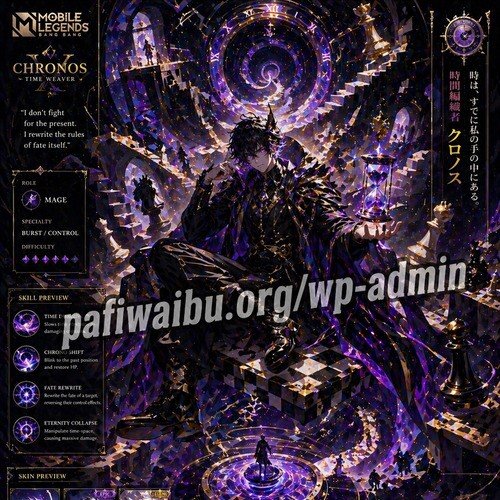
pafiwaibu.org – Mobile Legends: Bang Bang has become one of the most popular multiplayer games because of the variety and uniqueness of its heroes. Every character is designed with a specific purpose, allowing players to experience different styles of gameplay depending on their preferences. Some heroes specialize in protecting teammates, others focus on dealing explosive damage, while certain characters thrive by controlling the battlefield and disrupting enemy formations.
The diversity of heroes is one of the reasons why no two matches feel exactly the same. Team compositions, strategies, and individual decisions constantly shape the outcome of battles. Understanding heroes is not simply about learning abilities and item builds; it involves recognizing strengths, identifying weaknesses, and adapting to different situations throughout the course of a match.
Players who invest time into mastering heroes gain a deeper appreciation for the strategic depth that Mobile Legends offers. More importantly, they develop the ability to contribute effectively to their teams regardless of whether they are ahead or behind. This combination of knowledge and adaptability is what separates average players from truly exceptional competitors.
Hero Diversity and the Importance of Choosing the Right Role
Heroes in Mobile Legends are divided into multiple categories, each serving a unique purpose within a team. Selecting the right hero is often the first step toward creating a balanced lineup capable of handling different challenges.
Fighter heroes are known for their versatility. Unlike tanks, they possess considerable offensive capabilities, but they are also durable enough to survive extended engagements. Heroes such as Terizla and Paquito demonstrate how fighters can become major threats during both small skirmishes and large-scale team fights.
One of the biggest strengths of fighters is their flexibility. They are capable of applying pressure during the laning phase while also remaining relevant during the late game. Their ability to initiate combat, chase enemies, and sustain themselves in battle makes them valuable assets in nearly every team composition.
However, playing fighters effectively requires good judgment. Overextending without support often leads to unnecessary deaths. Successful fighter players understand when to engage aggressively and when to retreat to preserve their resources.
The role also demands strong map awareness because fighters frequently participate in rotations and objective contests. Their presence in critical moments often determines whether a team gains or loses momentum.
Support Heroes and Their Impact Beyond Statistics
Support heroes rarely receive as much attention as damage dealers, but their influence on the battlefield is undeniable. Characters like Angela and Floryn excel at keeping teammates alive and enhancing their effectiveness during battles.
Many players underestimate the importance of support heroes because their contributions are not always reflected in kill counts. Healing abilities, shields, crowd control, and vision control all provide enormous value that extends beyond simple numbers.
A support player must constantly monitor teammates and anticipate enemy actions. Timing is critical because using abilities too early or too late can completely change the outcome of an engagement. Positioning is equally important, as supports often become prime targets for assassins looking to disrupt the team’s formation.
Despite their defensive nature, support heroes also contribute significantly to offensive plays. Proper coordination with tanks and damage dealers allows supports to maximize their utility and create opportunities that lead to successful team fights.
Jungle Specialists and Their Influence Across the Map
Jungle heroes occupy one of the most demanding roles in Mobile Legends. Heroes such as Julian and Fredrinn are responsible for securing buffs, controlling neutral objectives, and assisting teammates through timely rotations.
Unlike laners who focus on a specific area, junglers must maintain awareness of the entire map. They constantly evaluate opportunities for ganks, determine which objectives should be prioritized, and respond to enemy movements.
The jungle role requires excellent decision-making because inefficient farming or failed ganks can put the entire team at a disadvantage. A successful jungler balances aggression with resource management, ensuring steady progression while creating pressure across multiple lanes.
Their influence often determines the pace of the match. Strong jungle control enables teams to secure objectives consistently and establish dominance before opponents can respond effectively.
Adapting Hero Performance Throughout Different Match Stages
Heroes experience varying levels of strength depending on the phase of the game. Understanding these timing differences allows players to make smarter decisions and maximize their impact.
The first few minutes are crucial because they lay the foundation for the remainder of the match. Heroes with strong early-game capabilities often attempt to pressure opponents immediately, forcing mistakes and creating opportunities to secure objectives.
Farming efficiency plays a significant role during this phase. Gold and experience advantages accumulate quickly, making every minion wave and jungle camp valuable. Players who manage resources effectively can reach important item milestones earlier than their opponents.
Vision control is another essential aspect of the early game. Monitoring enemy movements helps prevent ambushes and allows teams to react proactively rather than defensively. Maintaining awareness of the map often leads to safer rotations and more effective objective control.
Teams that establish early advantages gain access to more resources and can dictate the pace of the match, forcing opponents into unfavorable positions.
Mid-Game Rotations and Tactical Pressure
As outer towers begin to fall, the game transitions into a phase where movement and coordination become increasingly important. Heroes leave their lanes and start participating in larger engagements around objectives and contested areas.
Mid-game success depends heavily on communication and timing. Rotating too slowly may result in missed opportunities, while overcommitting can expose other parts of the map. Experienced players understand how to balance aggression with caution.
Tactical pressure also becomes a major factor during this stage. Applying pressure to multiple lanes forces opponents to split their attention, creating opportunities to secure Turtle, invade enemy territory, or gain vision around important objectives.
Heroes with mobility and crowd control often shine during the mid game because they can influence multiple areas of the battlefield within a short period.
Late-Game Team Fights and Objective Priorities
The late game is where heroes reach their full potential. By this stage, most players possess completed item builds, and team fights become increasingly explosive.
Positioning becomes the deciding factor in many engagements. Marksmen and mages must maintain safe distances while delivering consistent damage, while tanks and fighters focus on protecting allies and disrupting enemy formations.
Objective control becomes even more important than securing kills. Eliminating enemies is valuable, but converting those victories into towers, Lord captures, or base pressure is what ultimately leads to success.
Patience often separates winning teams from losing ones. Reckless decisions during the late game can erase advantages built over several minutes. Maintaining discipline and focusing on coordinated plays provide the highest chance of securing victory.
Improvement in Mobile Legends is a gradual process that requires dedication, analysis, and adaptability. Mastering heroes involves far more than simply memorizing skill combinations.
Understanding Matchups and Counterplay
Every hero possesses strengths and vulnerabilities. Recognizing favorable and unfavorable matchups enables players to make smarter decisions during the drafting phase and throughout the match itself.
Counterplay involves adapting strategies rather than forcing direct confrontations. Sometimes avoiding unnecessary engagements and focusing on objectives is more effective than attempting risky plays.
Players who understand enemy capabilities are better equipped to anticipate threats and minimize mistakes. This knowledge contributes significantly to long-term consistency.
Flexible Itemization and Strategic Thinking
Item builds should always reflect the circumstances of the match. Blindly following preset recommendations often limits a hero’s effectiveness. Instead, experienced players analyze enemy compositions and adjust accordingly.
Defensive items can improve survivability against burst damage, while offensive choices help capitalize on momentum when holding an advantage. Strategic itemization allows heroes to remain relevant throughout every stage of the game.
This flexibility is one of the defining characteristics of high-level gameplay and often determines the outcome of closely contested matches.
Maintaining Focus and Building Consistency
Mental resilience is an underrated aspect of competitive gaming. Losing streaks, difficult teammates, and unexpected setbacks can affect decision-making if emotions are allowed to take control.
Successful players maintain composure and concentrate on factors they can influence. Rather than dwelling on mistakes, they focus on learning and improving with each match.
Consistency comes from patience, discipline, and a willingness to adapt. Over time, these qualities contribute more to long-term success than mechanical skill alone.
Conclusion The Evolution of Heroes in Mobile Legends and How They Define Every Battle
Heroes are the foundation of everything that makes Mobile Legends exciting and strategically engaging. From versatile fighters and supportive healers to influential junglers and devastating late-game carries, every hero contributes to the complexity and depth of the game.
Understanding how heroes function, adapting to different match phases, and continuously refining decision-making are essential steps toward becoming a stronger player. Success is not determined solely by flashy plays or impressive statistics, but by the ability to maximize a hero’s strengths while working effectively with teammates.
As Mobile Legends continues to evolve with new heroes and changing strategies, players who remain flexible and committed to improvement will always find new opportunities to excel. Mastering heroes is an ongoing journey, and that journey is what keeps the game fresh, competitive, and endlessly rewarding.